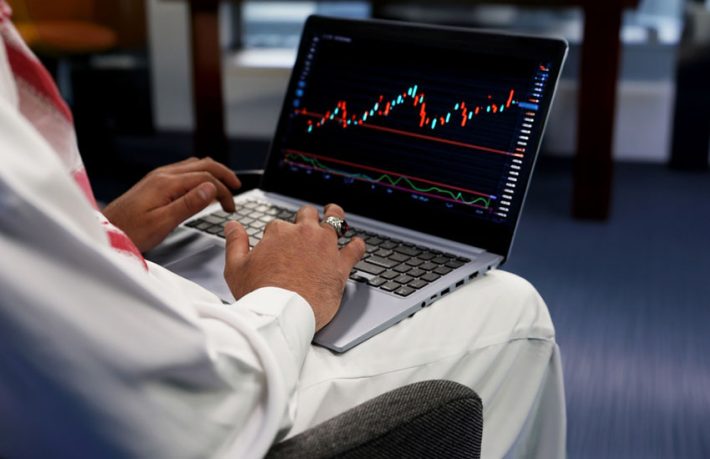
Wall Street Pullback Weighs on Asian Markets

Asian markets traded unevenly on Wednesday, with South Korea’s KOSPI reaching an all-time high, while gains in other regions were limited as investor caution persisted. The surge in technology stocks earlier in the week cooled following a weaker finish on Wall Street.
South Korea’s benchmark KOSPI climbed nearly 1% to 5,361.85 points, building on a sharp 7% gain from Tuesday, driven largely by strong performances from major chipmakers and tech firms. Meanwhile, Japan’s Nikkei 225 fell 0.7% after posting a 4% rally in the previous session.
China’s Shanghai Composite inched up 0.1%, but the blue-chip CSI 300 slipped 0.2%. Hong Kong’s Hang Seng retreated 0.5%, while Australia’s S&P/ASX 200 advanced 0.5% and Singapore’s Straits Times Index remained flat. Futures for India’s Nifty 50 showed modest gains following a nearly 3% jump on Tuesday after the U.S. signed a trade agreement reducing tariffs.
Wall Street Tech Slide Raises Investor Caution
U.S. markets closed lower overnight, with technology stocks leading the decline amid renewed concerns over rapid AI developments disrupting the sector. The Nasdaq fell more sharply than broader indexes, signaling heightened volatility as investors awaited earnings reports from tech giants.
Alphabet (NASDAQ: GOOGL) is set to release its results later on Wednesday, followed by Amazon (NASDAQ: AMZN) on Thursday. Both reports are being closely watched for signs of strength in advertising, cloud computing, and AI-related investments.
Fed Leadership and China’s Services Growth in Focus
Investor sentiment was further affected by uncertainty surrounding former Federal Reserve governor Kevin Warsh’s nomination as the next Fed chair. Warsh’s perceived hawkish stance has fueled concerns that U.S. interest rates may remain elevated for a longer period.
In China, a private survey revealed that the country’s services sector expanded in January at the fastest pace in three months. While this suggested underlying demand remains healthy, concerns over uneven economic growth and weak consumer confidence kept investors cautious.