Crypto Markets Brace for Volatility as Bitcoin Tests $90K

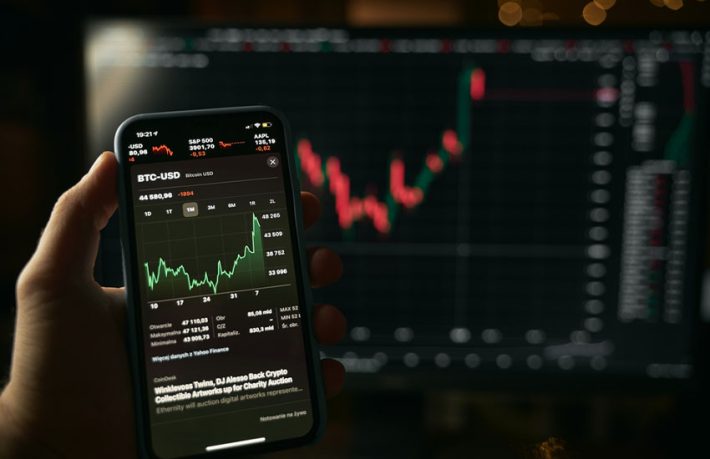
Bitcoin began the week trading around the $91,000 mark, attempting to recover after briefly falling below the crucial $90,000 support level. The drop triggered a cascade of liquidations worth hundreds of millions of dollars across major exchanges, as leveraged traders were forced out of positions.
Ethereum followed a similar pattern, sliding toward the $3,000 psychological zone. Analysts note that both assets are experiencing cyclical corrections, which are typical after multi-week rallies. However, the steepness of the recent declines shows how sensitive the market remains to global economic signals and investor sentiment.
Many retail traders were caught off guard by the sudden downturn, accelerating short-term selling pressure. Long-term holders, on the other hand, see the pullback as a renewed entry opportunity at lower price levels.
Possible December Rebound if Inflation Data Softens
Despite the ongoing volatility, several market strategists still believe that a year-end recovery is possible. They point to improving liquidity conditions and expectations that central banks may begin easing interest rates in early 2026.
The next major catalyst for crypto markets is the upcoming U.S. inflation report. A softer-than-expected figure could trigger a relief rally across Bitcoin, Ethereum, and large-cap altcoins. Historically, positive macroeconomic surprises in December have contributed to strong rebounds in digital asset prices, particularly when markets are already oversold.
For now, traders are watching key resistance levels closely. Bitcoin needs a decisive break above $92,800 to regain bullish momentum, while Ethereum must reclaim the $3,150 area to stabilize its trend.
Global Regulators Tighten Oversight of Crypto Activity
Regulatory developments have also played a major role in shaping market sentiment this week. Authorities in Europe recently shut down a large-scale crypto mixing operation linked to billions in suspicious transactions. The crackdown included seizing servers, freezing funds, and dismantling the infrastructure that supported anonymous money flows.
This action reflects a broader trend of increased scrutiny toward privacy-enhancing crypto tools, especially those that enable untraceable transfers. Regulators worldwide are stepping up enforcement efforts to combat money laundering and improve the transparency of blockchain transactions.
While stricter oversight may raise compliance requirements for legitimate users and businesses, it is also expected to help institutional players feel more confident entering the market under clearer regulatory boundaries.
Institutional Investors Adjust Portfolios as Volatility Rises
Large investors are not staying passive during this period. One of the most closely watched corporate Bitcoin holders recently set aside a multi-billion-dollar cash reserve to buffer against potential further declines in BTC. This move signals that major firms are preparing for prolonged uncertainty and are prioritizing liquidity management.
Meanwhile, crypto adoption continues to expand in emerging markets. In India, participation from women investors has grown significantly year-over-year, with strong interest in Bitcoin, Ethereum, Dogecoin, and Solana. This demographic shift underscores increasing financial literacy and the rising accessibility of crypto platforms across Asia.
The combination of widening adoption and shifting institutional strategies paints a complex but dynamic picture for the industry heading into 2026.
What Traders Should Watch Next
The coming days will be pivotal for the market. The inflation report, central bank commentary, and any additional regulatory moves could define price direction for the remainder of December. A positive macroeconomic backdrop may spark renewed confidence, while negative surprises could intensify downside pressure.
For now, the crypto market remains in a high-volatility environment, and investors are preparing for rapid changes in momentum as the year draws to a close.