
Bitcoin Breaks $72K as Global Tensions Rise
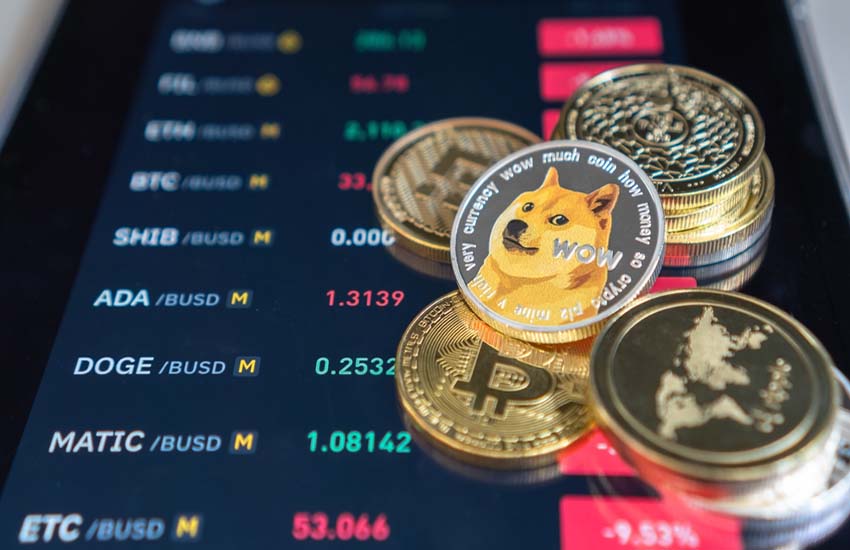
Bitcoin (BTC) surged above $72,000 Thursday, March 5, after weeks of sideways trading, fueled by rising geopolitical tensions in the Middle East and a sharp increase in institutional demand through U.S. spot Bitcoin ETFs. The rally has reignited bullish sentiment among crypto traders, with many now watching a potential move toward $84,000 in the coming weeks.
Bitcoin Jumps as Investors Seek Alternative Safe Havens
Bitcoin climbed nearly 4.8% within 24 hours, breaking out of a prolonged consolidation phase. The surge comes amid escalating geopolitical risks after Israel reportedly struck several security headquarters inside Iran, while Iran responded with attacks targeting U.S. sites in Dubai and Qatar.
As global uncertainty intensified, investors rotated into alternative stores of value. Traditional safe-haven assets also rallied, with gold rising about 1.8% and silver jumping 5.3% since midnight UTC. Bitcoin’s strong performance during the same period suggests that some investors increasingly view the cryptocurrency as a hedge during geopolitical instability.
Crypto Market Liquidations Surge to $433 Million
The rapid price move triggered significant volatility across derivatives markets. Data from CoinGlass shows that approximately $433 million in crypto positions were liquidated, as traders caught on the wrong side of the sudden breakout rushed to close positions.
Bitcoin and Ethereum traders accounted for roughly 68% of those liquidations, indicating the rally forced many short positions to unwind quickly.
Large-scale liquidations often accelerate price movements because forced closures can amplify buying pressure in a rising market.
U.S. Spot Bitcoin ETFs Record $506 Million Inflows
Institutional demand also played a major role in the rally. U.S. spot Bitcoin exchange-traded funds (ETFs) recorded $506 million in net inflows, reinforcing strong structural demand for the cryptocurrency. Despite these inflows, broader sentiment across the crypto market remains cautious. The Crypto Fear and Greed Index is hovering near 10, a level typically associated with “extreme fear.”
Ranveer Arora, CEO of Altura, explained that ETF demand continues to support Bitcoin’s long-term outlook. He noted that lower post-halving supply, improving liquidity expectations, and positioning resets among traders are helping fuel the current price discovery phase. Once selling pressure fades, leveraged positions and derivatives activity can accelerate price movements rapidly.
Bitcoin’s Price Still Tied to Global Liquidity
Market analysts emphasize that Bitcoin’s behavior increasingly mirrors global liquidity conditions rather than traditional safe-haven assets. Bitcoin often acts as a high-beta expression of global liquidity, meaning its price tends to respond strongly when financial conditions ease or when capital begins flowing back into risk assets.
If expectations shift toward easier monetary policy, reflation, or renewed investor risk appetite, Bitcoin could continue climbing at a faster pace than many other assets. However, the market remains sensitive to geopolitical developments. A further escalation of the Middle East conflict could introduce short-term downside pressure due to broader risk-off sentiment across global markets.
Prediction Markets Point to $84,000 Bitcoin Target
Crypto prediction markets are increasingly optimistic about Bitcoin’s near-term trajectory. On the prediction platform Myriad, users currently assign:
- 39% probability of a U.S.–Iran ceasefire before April
- 51% probability that Bitcoin’s next major move will be a rally toward $84,000
If institutional inflows remain strong and macro conditions stabilize, analysts believe Bitcoin could attempt another major breakout above its current levels.
Bitcoin Outlook – Key Levels to Watch
As of 5 March 2026, traders are closely monitoring several important levels:
- Support: $69,500 – $70,000
- Resistance: $73,500 – $75,000
- Bullish target: $84,000
A sustained break above the $75,000 zone could open the door for a fresh leg higher, while renewed geopolitical shocks or liquidity tightening may trigger short-term corrections. For now, the combination of geopolitical uncertainty, ETF inflows, and post-halving supply dynamics continues to shape Bitcoin’s price momentum as the market heads deeper into 2026.