
Gold Near $5,000 Amid Middle East War
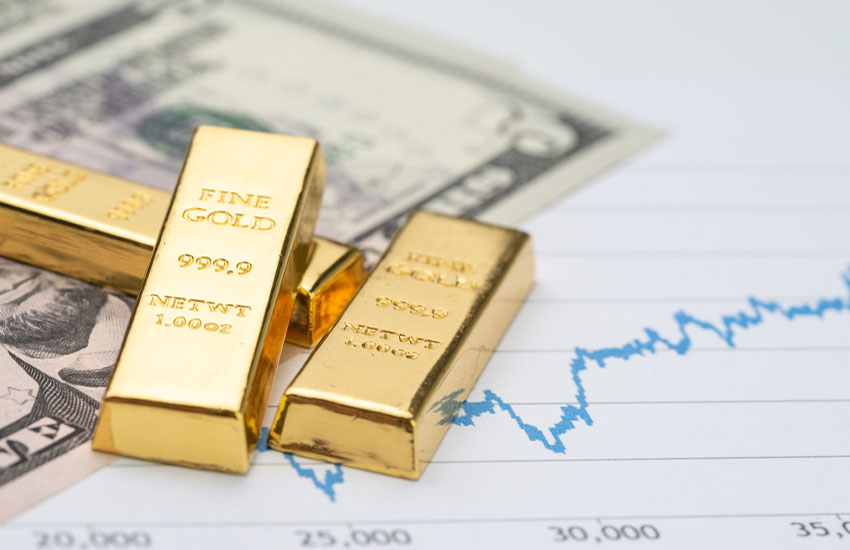
Gold prices stabilized near the $5,000 level during Monday’s early Asian session, March 16, after briefly dropping to monthly lows around $4,970. The precious metal is attempting to regain upward momentum as traders continue monitoring geopolitical tensions in the Middle East. Headlines related to the conflict involving the United States, Israel, and Iran remain a major driver for the US Dollar and global safe-haven demand, directly influencing gold prices.
War Developments
Market participants are closely watching developments surrounding the ongoing conflict involving the United States, Israel, and Iran. Geopolitical instability typically boosts demand for gold as investors seek protection from market volatility. However, mixed signals from political leaders are adding uncertainty to the outlook.
Officials from the administration of US President Donald Trump indicated that the conflict in Iran could end within the next few weeks or possibly sooner. In contrast, Israel’s military leadership stated that its campaign could continue for at least three more weeks, suggesting the situation may remain volatile in the near term.
Oil and Inflation
Over the weekend, US forces reportedly targeted multiple military facilities on Kharg Island, a crucial Iranian oil export hub. Iran responded by warning that it could retaliate against oil facilities linked to US interests across the region.
Although geopolitical tensions usually support gold prices, rising oil costs are creating new inflation concerns. Higher energy prices may keep inflation elevated, which could lead central banks, particularly the Federal Reserve, to delay interest rate cuts. This scenario is generally negative for non-yielding assets such as gold.
Central Banks
In addition to geopolitical risks, traders are also preparing for several key monetary policy announcements scheduled this week. Major central banks including the Federal Reserve (Fed), Reserve Bank of Australia (RBA), Bank of Japan (BoJ), European Central Bank (ECB), and Bank of England (BoE) will release their latest interest rate decisions.
Most of these institutions are expected to keep interest rates unchanged. However, the RBA is widely expected to raise its interest rate again as inflation pressures remain persistent in Australia. These policy signals could influence global markets and shape the next direction for gold prices.